
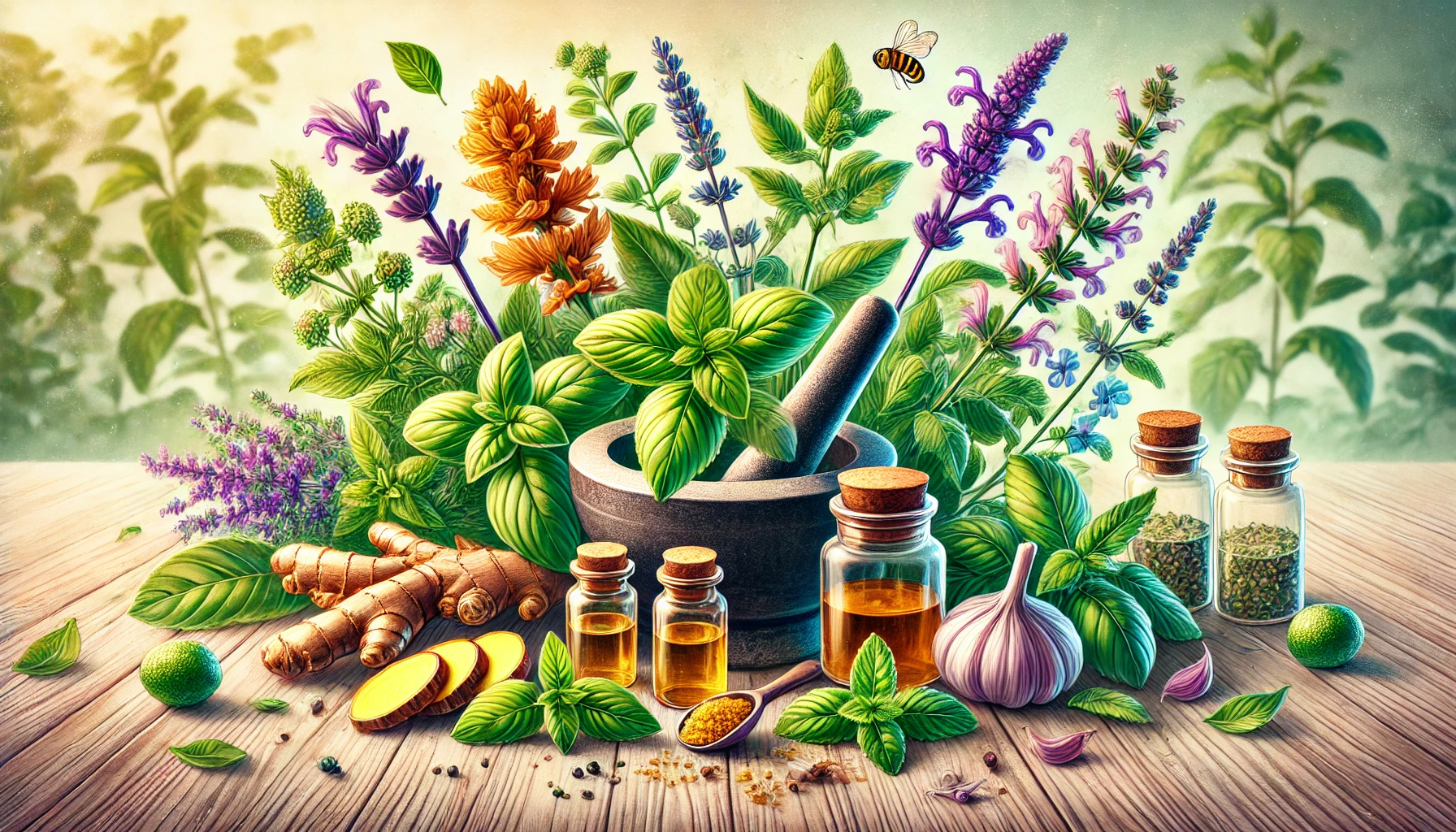
Herbal remedies have been a cornerstone of traditional medicine for centuries, offering natural solutions to a variety of health concerns. In today’s fast-paced world, many are turning back to these ancient practices for their simplicity and effectiveness. Herbs like turmeric, ginger, and aloe vera have gained popularity for their proven benefits.
Turmeric, often referred to as “golden spice,” is a powerful anti-inflammatory agent. Its active compound, curcumin, has been shown to reduce joint pain and improve skin health. Similarly, ginger, known for its digestive benefits, can alleviate nausea and improve gut health. Aloe vera, a well-known herbal remedy, is celebrated for its soothing properties and is commonly used to treat burns and improve skin hydration.
Other popular herbs include chamomile for relaxation, peppermint for headaches, and echinacea for boosting immunity. Each herb offers unique properties that can cater to specific health needs. For example, chamomile tea before bedtime can promote restful sleep, while peppermint oil can alleviate tension headaches.
Understanding how to prepare and use these herbs is crucial. While some can be consumed as teas or supplements, others may be applied topically or used in aromatherapy. However, it is always wise to consult a healthcare professional before incorporating new remedies into your routine, especially if you are on medication or pregnant.
Herbal remedies are not only effective but also sustainable. Growing your herbs at home can be an empowering and cost-effective way to maintain health naturally. By doing so, you can ensure that you’re using fresh, chemical-free ingredients.
Incorporating these remedies into your daily life can lead to a healthier, more balanced lifestyle. As more research continues to validate their benefits, herbs remain an invaluable tool for modern wellness.



Trevor Mitchell